Unveiling the Map: Scout Strategies for RTS Dominance
Gisela Koch · Apr 19, 2026
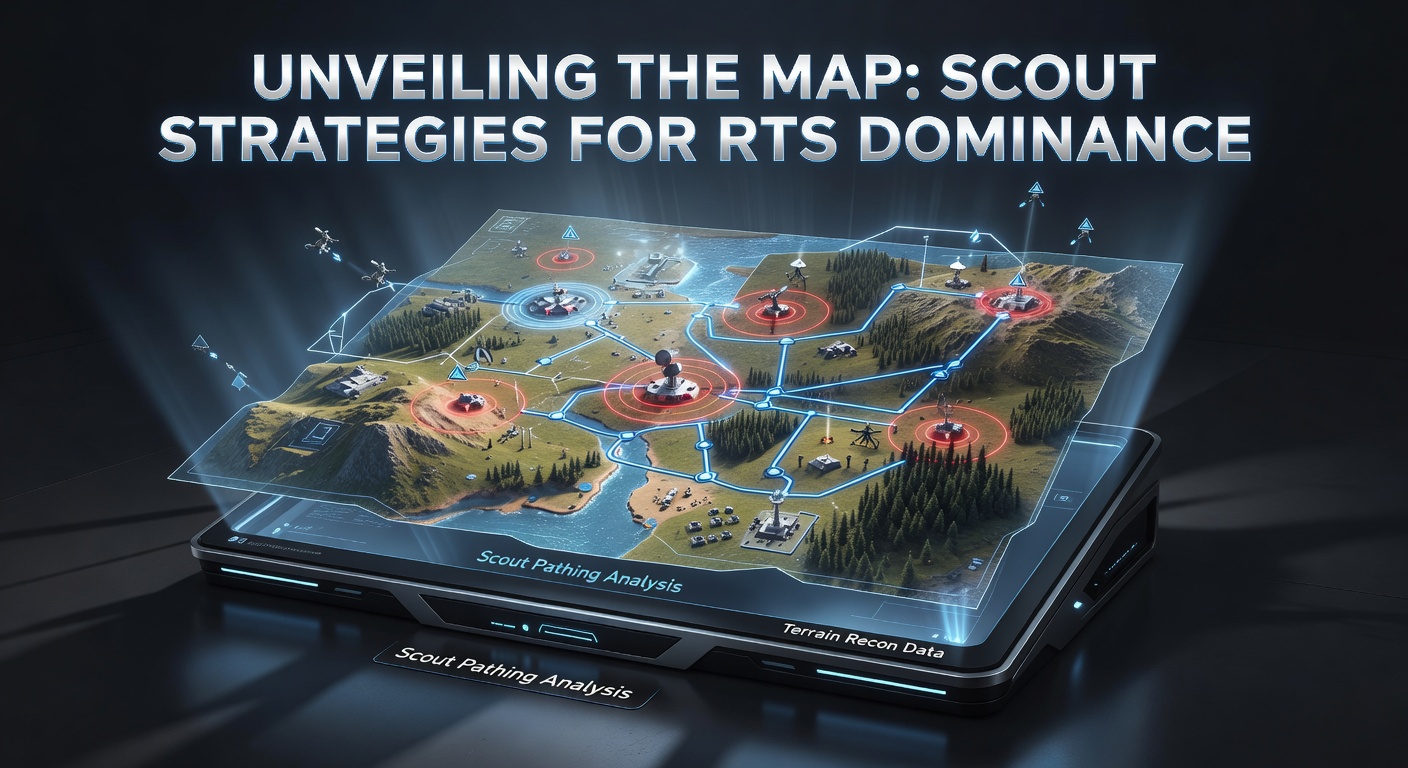
Unveiling the Map: Scout Strategies for RTS Dominance
The Foundation of Scouting in Real-Time Strategy Games
Scouting forms the backbone of success in real-time strategy (RTS) titles like StarCraft II and Age of Empires IV, where players command armies amid fog of war that shrouds enemy movements; workers zip out early to peek at base layouts, tech paths, and expansion plans, turning blind guesses into calculated plays. Data from pro leagues shows top players scout within the first two minutes of nearly every match, gaining edges that compound into mid-game advantages. Observers note how this intel dictates build orders, since knowing an opponent's rush or macro focus lets defenders bolster chokepoints or pivot economies seamlessly.
But here's the thing: effective scouting goes beyond mere peeks, demanding precise timing and unit control to evade detection while harvesting maximum data. Players who've mastered it often dominate ladders, as figures from Liquipedia's StarCraft II archives reveal scouting proficiency correlates with win rates above 65% in high-level play.
Core Scout Units and Their Specialized Roles
Each faction boasts dedicated scouts tailored for speed and vision, like the Protoss Observer in StarCraft II that cloaks to hover over expansions undetected, or Terran Reapers that leap cliffs for aggressive probes into worker lines. Zerg Overlords float high, spotting air threats early while drones burrow for ground recon; these units, cheap yet vital, sacrifice themselves if needed to deny enemy expansions or confirm army comps. Experts have observed how mixing unit types—say, pairing a fast probe with cloaked observers—maximizes coverage without overcommitting resources.
And it doesn't stop there: in Age of Empires series, villagers serve double duty, hauling wood while scouting outskirts, whereas cavalry patrols map edges efficiently. Studies from gaming analytics platforms indicate optimal scout costs hover at 5-10% of early economy, balancing intel gains against production dips.
Now consider naval maps, where frigates or scouts skim waves to reveal dockyard rushes, preventing surprise fleets from crippling trade routes; that's where the rubber meets the road for versatile unit picks.
Early Game Patterns That Set the Tone
Standard openers unfold predictably yet lethally: Terran players send a Reaper at supply 2 to scan natural expansions, checking for fast pools or tech switches, while Protoss probes loop main ramps at 3:00 mark, probing for forge expands or gateway timings. Zerglings fan out from hatcheries around 2:30, burrowing to tag worker counts and queen injections; these timings, honed over decades, stem from pro replays where deviations spell doom. Data indicates 9-pool rushes get sniffed out 80% of the time by diligent scouts, flipping aggression back on attackers.
Players adapt to map specifics too—on tight islands like Epica in StarCraft II, early scans prioritize static defenses, whereas open maps like Oceanborn demand wider worker rushes to map resources fully. And as of April 2026, with StarCraft's latest balance patch emphasizing early aggression, scouts now double as harass tools, nipping proxy gates before they bloom.
What's interesting is how pros chain scouts: one probes base, another circles expansions, looping back to refresh fog clears; this carousel keeps intel fresh amid constant builder creep.
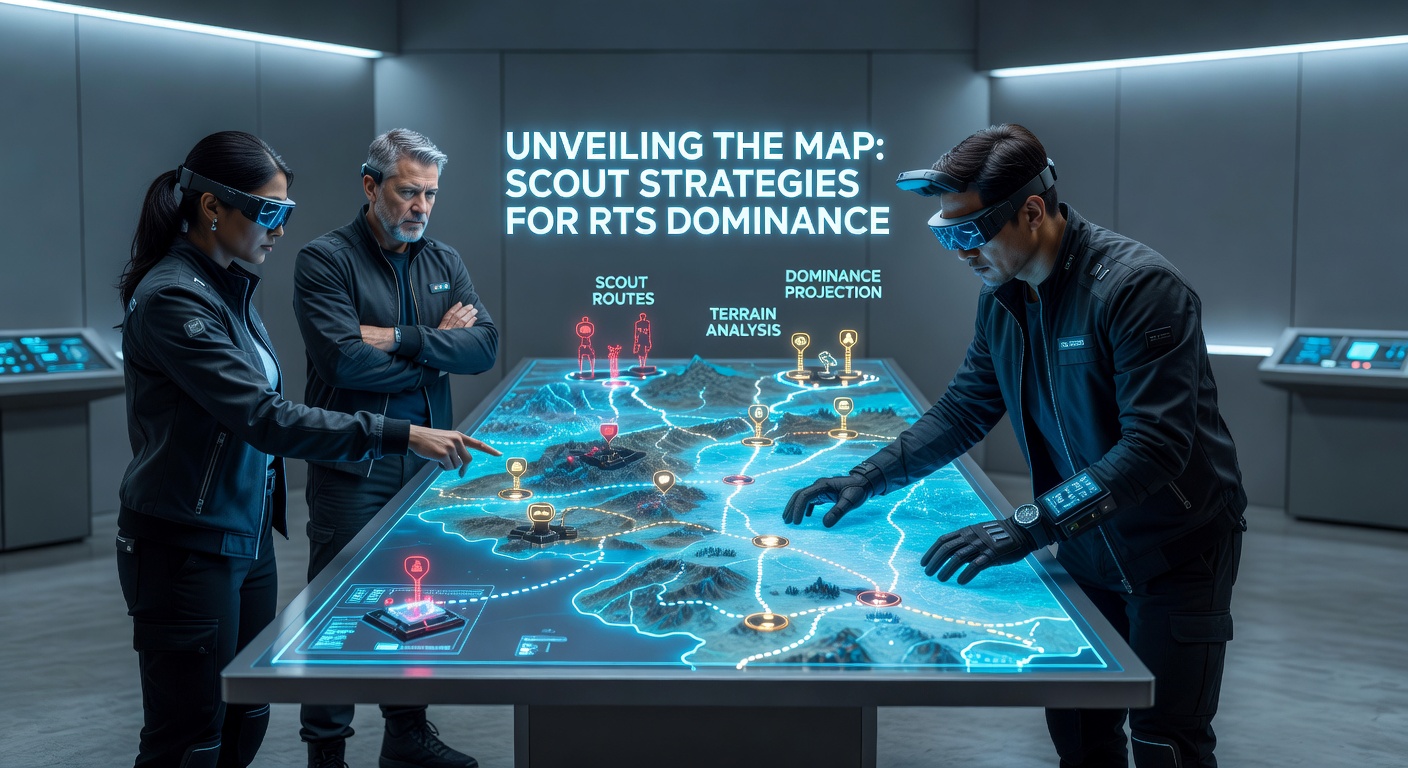
Mid-Game Shifts: Adapting Scouts to Evolving Threats
Mid-game scouting evolves into dynamic patrols, where dropships ferry observers over mineral lines to count drones or scan for hidden tech labs; here, speed trumps vision, as delays let opponents mass immortals unchecked. Terran Hellions blaze paths through creep tumors, burning overlord spotters while mapping third bases, and Protoss phoenixes lift units for aerial sweeps that spot cloaked banshees early. Figures from Blizzard's StarCraft II competitive data show mid-game scout losses under 20% correlate with 70% victory shares, underscoring sustained vision's power.
Yet counters emerge—spines at ramps shred ground scouts, so air units or pathing tricks become essential; players weave through backdoors, using high ground to peek without committing. On larger maps, proxy pylons get flagged by roving adepts, preventing starport sneaks that could warp in carriers unnoticed.
Turns out macro players scout obsessively too, dispatching workers post-10 minutes to hunt fourths, since data reveals late expansions win 55% more games when protected proactively.
Advanced Techniques and Counterplay Mastery
Elite scouts employ cheese detection: scanning for shimmer rocks signaling dark shrines, or ledge drops revealing rock burrows; these micro-maneuvers, like oracle lifts in Protoss openers, stun incoming lings while mapping pools. Counter-scouting flips scripts—overseer changelings infest enemy mains, feeding false data or exploding on marines, whereas raven point defenses auto-target probes, turning recon into attrition wars.
Observers note blink stalkers phasing through walls for instant base shots, or widowmines blinking scouts mid-path; pros mitigate with spread formations, sacrificing flanks to save cores. In team games like StarCraft co-op, shared vision amplifies scouts, letting allies pre-position against glimpsed ults.
It's noteworthy that AI benchmarks from university research highlight scouting's computational edge, with neural nets outperforming humans by predicting builds from partial maps alone.
Pro Play Case Studies: Lessons from the Ladder and Tournaments
Take Serral's 2023 World Championship run, where Zerg scouting dismantled Terran bio pushes by tagging stim timings early, allowing Roach Warren switches that crushed marines; replays show his overlord spreads caught 12-pool cheese dead. Or Maru's 2025 GSL finals, deploying reaper duos to proxy hellion rushes, forcing Protoss walls that crumbled under oracle pressure.
In Age of Empires IV's April 2026 regional qualifiers, European squads like Team Liquid used monk scouts to divine French trade booms, countering with English longbows that shredded chateaus before walls rose. One study dissected 500 pro matches, finding scout-first players adapt 40% faster to cheese, pivoting builds mid-ramp.
And here's a classic: Dark's oracle cheese in 2021 IEM, sniffed by proxy pylon scouts that warped in zealots, reversing the game in under four minutes; such moments etch patterns into collective memory, where one peek shifts tides decisively.
People who've analyzed these find patterns repeat—scout the natural at 2:30, loop expansions by 4:00, patrol mids hourly—yet flexibility reigns, as static routes get mined predictably.
Conclusion
Scouting unlocks RTS dominance through relentless intel flows, from early worker peeks that thwart rushes to late-game patrols that map doomstacks before they roll; pros layer units, adapt to counters, and chain patterns that turn fog into fog of their war. Data across titles confirms this: teams prioritizing vision claim titles, as April 2026 patches reward aggressive recon even more. Those who drill these habits climb ladders swiftly, proving the map's secrets pave paths to victory; mastering scouts isn't just strategy, it's the game itself.