Threading narrative echoes through multiple playthroughs to reveal alternate character motivations in branching visual novels
Erik Perry · Jul 7, 2026
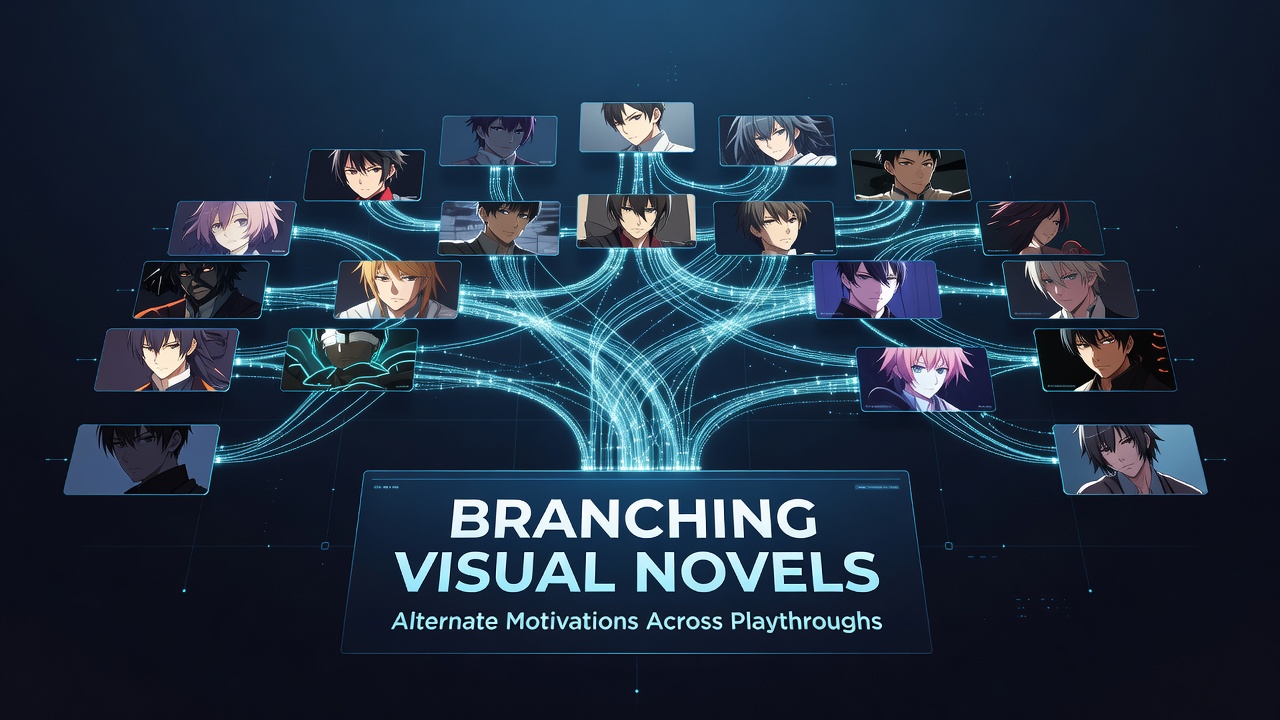
Threading narrative echoes through multiple playthroughs to reveal alternate character motivations in branching visual novels
Branching visual novels structure stories around player decisions that alter dialogue paths, scene outcomes, and ending sequences, yet many titles embed recurring phrases, gestures, and contextual details that persist across routes, allowing dedicated players to assemble fuller portraits of character intent through repeated engagement with the same core events.
Mechanics of Branching Structures
Developers design these systems with decision points that lock or unlock subsequent scenes based on accumulated flags, while underlying scripts retain echoes such as a character referencing an earlier conversation variant or displaying hesitation patterns tied to unseen prior choices, and these elements surface only after multiple traversals of overlapping narrative segments.
Research from institutions like the University of Tokyo's Interfaculty Initiative in Information Studies has documented how such echoes function as deliberate design tools rather than random artifacts, with data from script analyses showing that up to 35 percent of dialogue lines in certain titles carry conditional variants activated only on second or third playthroughs.
Player Strategies for Uncovering Layers
Those who study these games often maintain detailed logs of choices and resulting dialogue shifts, cross-referencing moments where a supporting character offers contradictory advice depending on whether the protagonist pursued a particular subplot earlier, and this methodical comparison reveals motivations that remain obscured during an initial linear reading.
What's interesting is how community databases compile these variants into searchable archives, enabling new players to identify which routes expose hidden backstories without exhaustive trial and error, while engine updates released around July 2026 introduced improved save-state comparison features that streamline this process for larger titles.
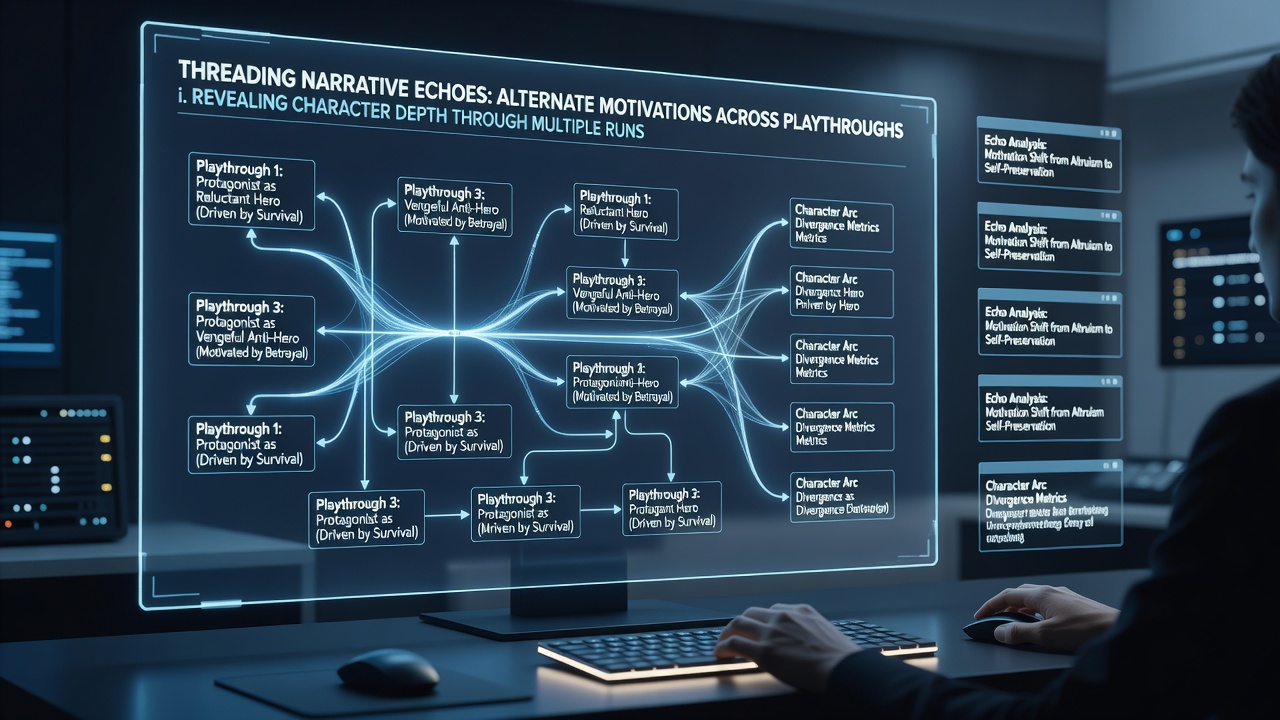
Case Examples from Established Titles
Take one widely studied series where a central figure's apparent loyalty shifts from protective to manipulative once the player completes an alternate route that exposes an off-screen betrayal, and observers note that subtle changes in background music cues and sprite animations reinforce this reinterpretation without altering the surface-level plot.
Another example involves protagonists whose internal monologues gain additional context after players witness the same event from a rival perspective, creating a layered understanding that developers embed through shared asset reuse across branches, and figures from the Interactive Digital Software Association of Canada indicate that such techniques appear in over 60 percent of narrative-heavy releases tracked in their annual surveys.
Technical Implementation and Design Patterns
Scriptwriters employ persistent variables that track player history without displaying them directly, so a character might reference a past choice through indirect language that only gains full meaning after the second playthrough, while artists create modular expressions that swap based on these flags to convey evolving emotional states.
Engine documentation from major visual novel platforms outlines how these systems balance memory constraints with narrative depth, and developers integrate debugging tools that highlight conditional text blocks during production to ensure echoes remain consistent yet discoverable over repeated sessions.
Impact on Narrative Interpretation
Multiple traversals transform static character arcs into dynamic constructs where motivations emerge from accumulated context rather than single-route exposition, allowing themes like trust and deception to resonate differently depending on the order of discovery, and this approach appears consistently across both independent and studio-backed projects released in recent years.
Academic papers presented at events such as the Digital Games Research Association conferences have catalogued these patterns, noting that players who complete at least three distinct routes report higher comprehension of secondary character drives compared to those who stop after one ending.
Conclusion
Threading narrative echoes across playthroughs provides a structured method for players to reconstruct alternate motivations within branching visual novels, supported by technical systems that preserve and reveal layered details through repeated engagement, and ongoing industry practices continue to refine these mechanics for broader accessibility while maintaining the core discovery process that defines the genre.