Shadow Algorithms: Predicting NPC Patrol Routes via Light Source Trajectory Calculations in Stealth Action Sequences
Ines Wolf · Aug 23, 2026
Shadow Algorithms: Predicting NPC Patrol Routes via Light Source Trajectory Calculations in Stealth Action Sequences
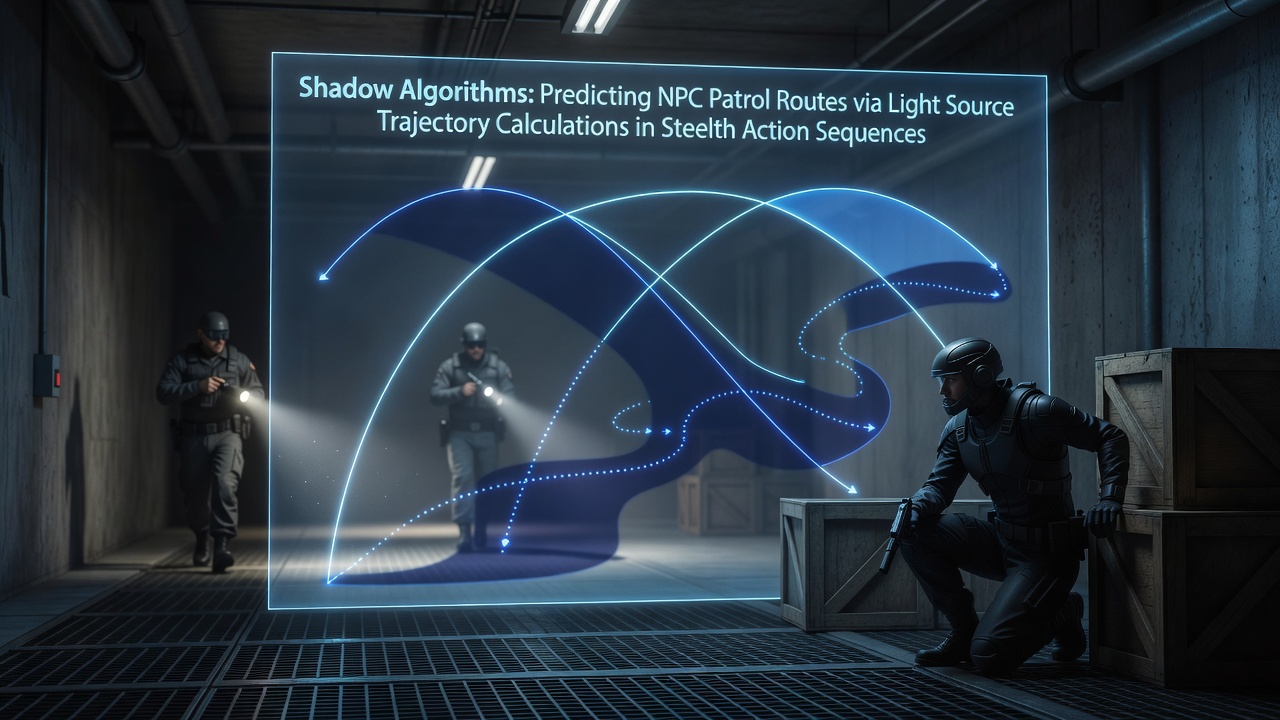
Game developers have integrated shadow algorithms into stealth action titles to model how light sources influence non-player character movement patterns, and these systems calculate trajectory paths based on dynamic illumination data. Players encounter scenarios where artificial intelligence agents adjust routes according to projected shadow zones, which emerge from moving lights such as torches, streetlamps, or environmental effects that shift over time. Research indicates that engine-level computations track light vectors in real time, allowing patrol schedules to adapt when illumination changes create new areas of visibility or concealment.
Core Mechanics of Light Trajectory Modeling
Light source trajectory calculations begin with vector mapping that traces rays from each active emitter across three-dimensional space, and these computations account for obstacles like walls, foliage, and moving objects that alter shadow boundaries. In practice, the algorithm updates patrol waypoints every frame cycle when a light source rotates or dims, which forces NPCs to reroute toward zones where their detection cones remain effective. Data from industry reports shows that such systems reduce computational overhead by precomputing static light paths while handling dynamic elements through incremental adjustments rather than full recalculations.
Stealth sequences benefit when players observe these patterns because NPCs follow predictable loops tied directly to light positions, and observers note that timing a movement between two patrol points becomes feasible once the light arc is anticipated. One study from the University of British Columbia examined how these calculations integrate with pathfinding libraries, revealing that agents select waypoints by comparing shadow coverage percentages against predefined thresholds for safe traversal.
Implementation in Modern Game Engines
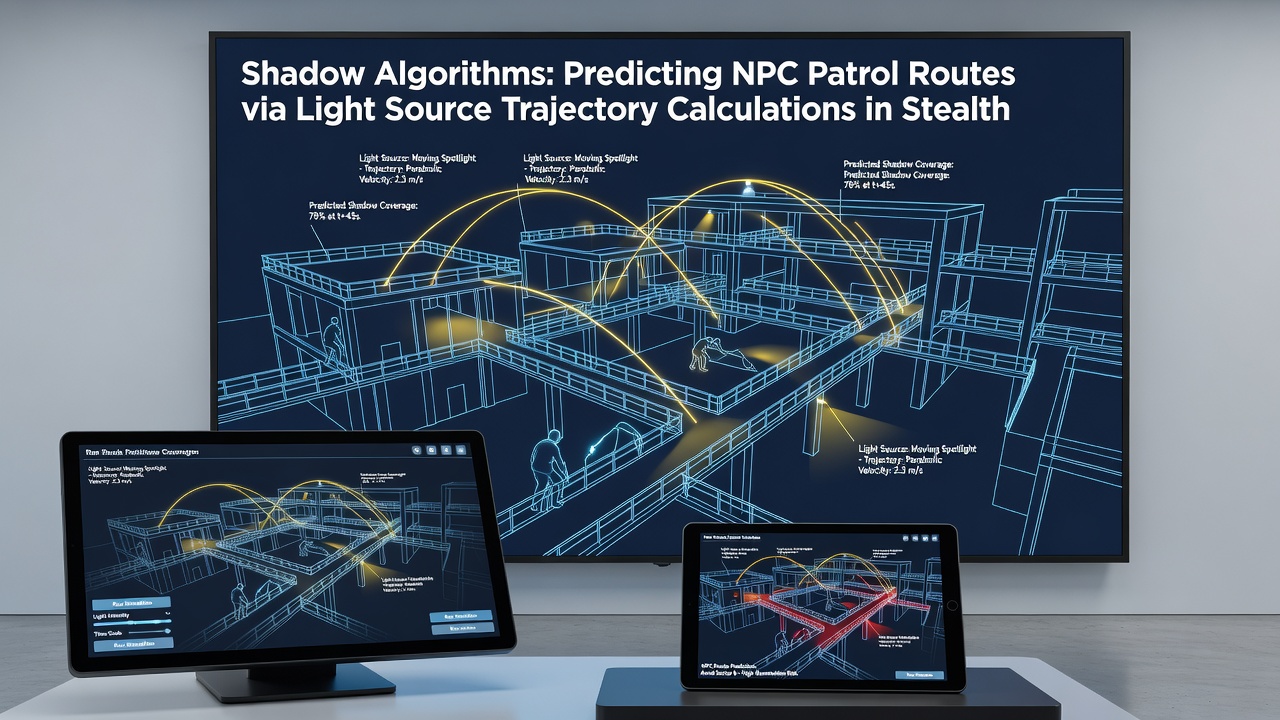
Engine implementations rely on hybrid ray casting combined with occlusion queries, and developers program NPCs to sample multiple points along a potential patrol line to verify light exposure levels. When a trajectory calculation detects that a light source will sweep across an area within the next few seconds, the AI shifts its destination node to maintain line-of-sight coverage while avoiding overexposure. According to findings presented at the 2025 Game Developers Conference, titles released in late 2025 demonstrated up to 40 percent fewer pathfinding errors when shadow algorithms replaced simpler grid-based visibility checks.
August 2026 marks the scheduled rollout of updated middleware tools that include enhanced light trajectory modules, and these updates allow smaller studios to implement similar systems without custom engine modifications. Figures from the Entertainment Software Association indicate growing adoption rates among mid-tier developers working on open-world stealth projects, where environmental lighting varies across day-night cycles and weather conditions.
Player Strategies Derived from Route Prediction
Those who study these mechanics often map light arcs onto mental timelines, which reveals windows where an NPC will move into a shadowed corridor and leave its previous post unguarded. Researchers discovered that overlaying trajectory visualizations during development builds helps identify exploitable patterns, and players replicate this approach by noting light flicker rates or rotation speeds in completed levels. Evidence suggests that combining these observations with sound propagation data creates layered prediction models that account for both visual and auditory detection ranges.
Case examples appear in several released titles where patrol routes loop through courtyards lit by rotating searchlights, and the algorithm recalculates the next waypoint the moment a beam passes a critical angle. Observers note that this produces organic-feeling guard movements rather than rigid schedules, since each recalculation incorporates the latest light position and any intervening object movement.
Technical Challenges and Optimizations
Performance constraints arise when multiple light sources overlap in complex scenes, and developers address this by prioritizing emitters based on intensity and proximity to active NPCs. A report issued by the Interactive Software Federation of Europe outlines how level designers place static lights to limit the number of simultaneous trajectory calculations, which keeps frame rates stable during intense stealth sequences. Yet the ball remains in the player's court when they must interpret these optimized patterns without access to debug visualizations.
Additional refinements include caching recent trajectory results for reuse across similar patrol segments, and this technique proves effective in large environments where light sources follow repeating cycles. Data shows reduced memory allocation spikes when engines apply this caching alongside particle density checks that indirectly affect shadow clarity.
Conclusion
Shadow algorithms continue to evolve as tools for creating responsive stealth gameplay, and their reliance on light source trajectory calculations produces patrol behaviors that feel integrated with the environment. Players who master the timing of these calculated routes gain consistent advantages during infiltration segments, while developers benefit from modular systems that scale across different hardware platforms. Continued research into these methods supports broader applications in future action titles where dynamic lighting shapes both visual presentation and AI decision-making.