Rhythm of the Blade: Perfect Parry Windows in Soulslike Boss Fights
Ines Wolf · Apr 12, 2026
Rhythm of the Blade: Perfect Parry Windows in Soulslike Boss Fights
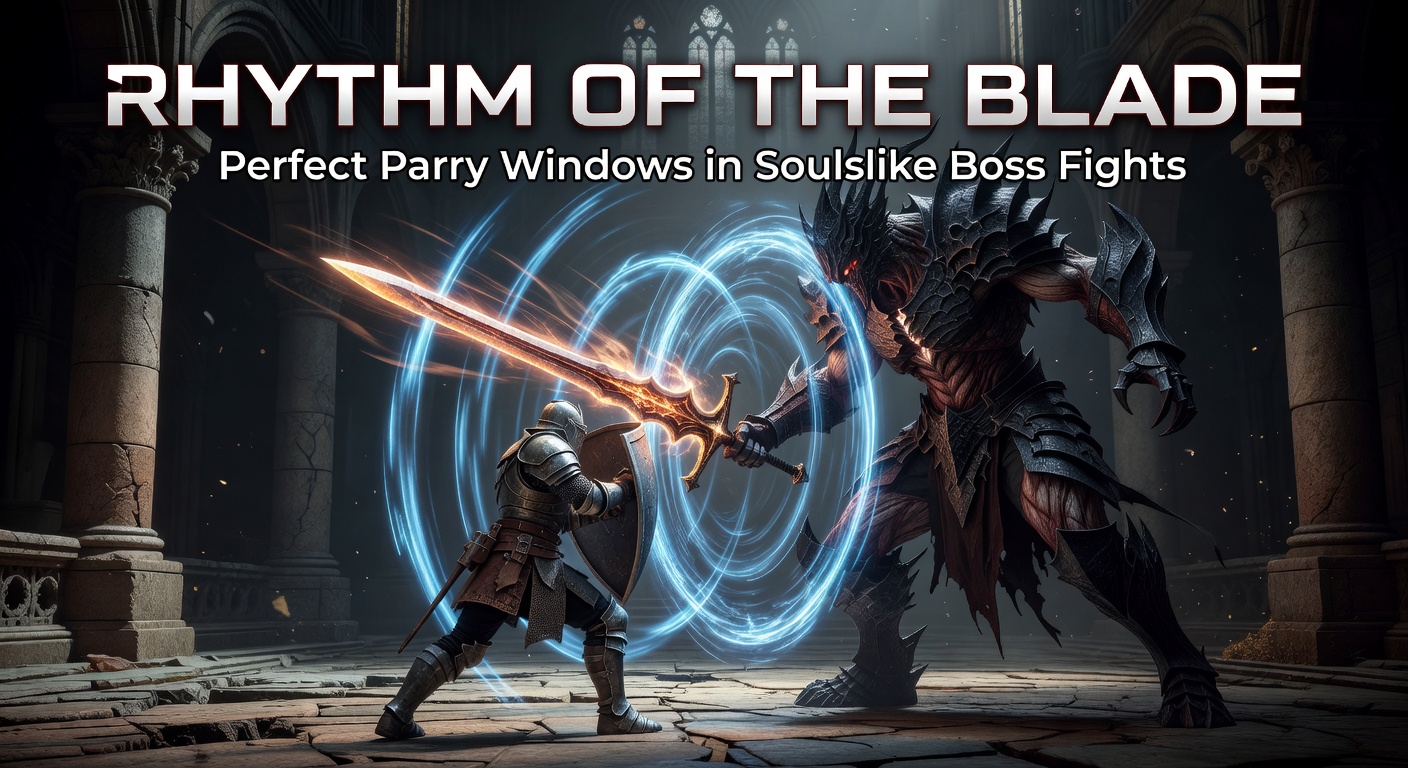
Players diving into Soulslike games quickly learn that survival hinges on mastering precise timings, especially when facing towering bosses whose attacks demand split-second responses; parry windows, those fleeting moments where a well-timed block turns aggression into opportunity, define the rhythm of combat in titles like Dark Souls, Bloodborne, and Elden Ring.
Understanding the Parry Window Basics
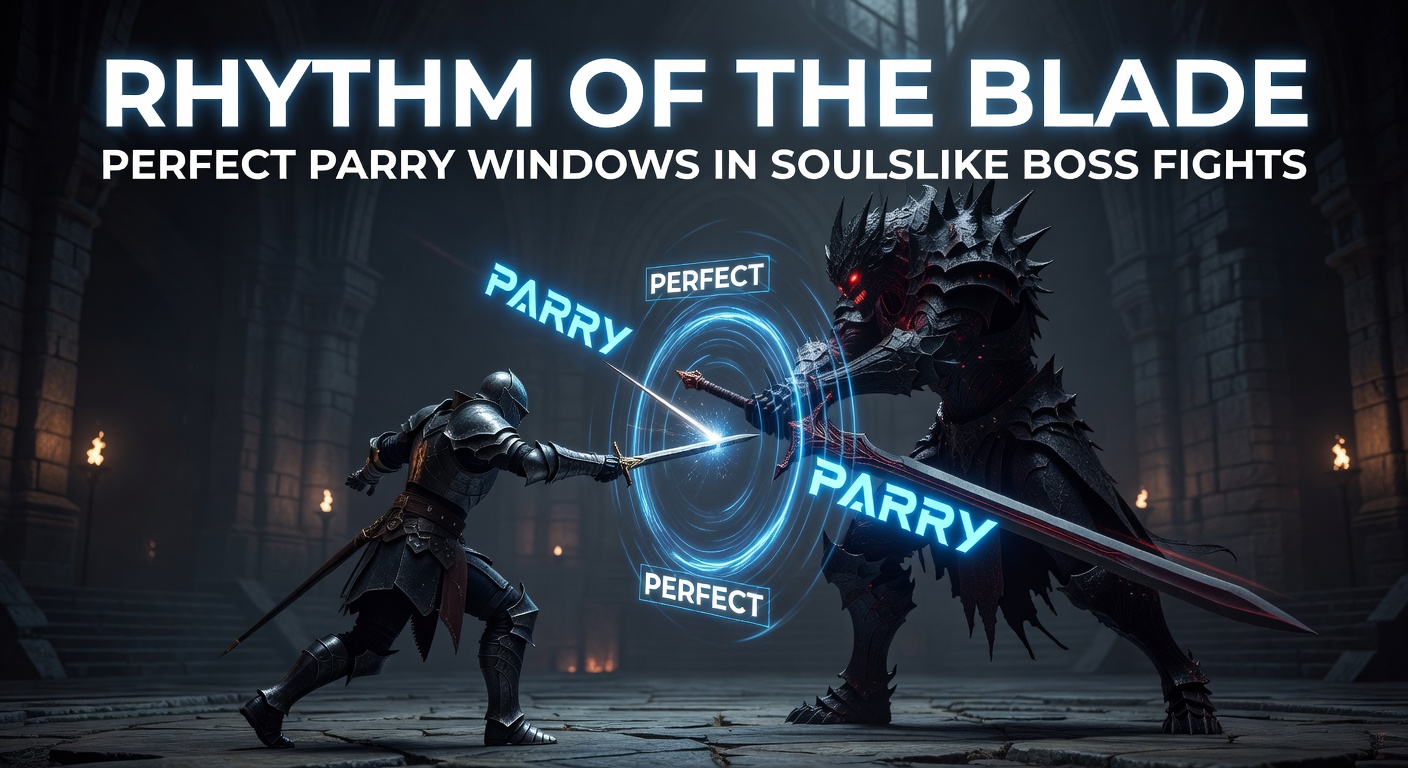
The parry window refers to the exact frame range during an enemy's attack animation where a successful parry registers, typically lasting just 6 to 12 frames at 30 or 60 FPS depending on the game; data from frame-by-frame analyses reveals that in Dark Souls 3, for instance, most humanoid enemies offer an 8-frame window, while larger beasts narrow it to 6 frames, forcing players to anticipate rather than react purely on visuals.
Turns out, these windows aren't random; developers at FromSoftware calibrate them to mimic real swordplay rhythms, where the clash happens at the attack's apex, just as the enemy's weapon commits fully forward; observers note how audio cues, like the whoosh of a blade or a boss's grunt, align precisely with this peak, giving auditory hints that visual tells alone might miss.
What's interesting is the consistency across the genre: Bloodborne expands windows slightly for faster combat pacing, averaging 10-11 frames on quick attacks, whereas Sekiro: Shadows Die Twice tightens them to 5-7 frames but rewards perfection with posture breaks; studies of player inputs via tools like frame data trackers show success rates jump from under 20% for beginners to over 70% after 50 hours of deliberate practice.
Evolution Across Soulslike Titles
Dark Souls 1 introduced parries as a high-risk mechanic, with windows forgiving enough for shields like the Buckler (9 frames) yet punishing mistimes harshly; sequels refined this, as Dark Souls 2 added weapon-specific variances, where curved swords extended windows by 2 frames compared to straight blades.
And then Bloodborne shifted paradigms; its trick weapons demand parries during recovery frames, often 11 frames wide on visceral attack setups, aligning with the game's aggressive dodge-parry loop; researchers analyzing replay data from Bloodborne community databases found that top players chain parries into 80% of their damage output against bosses like Lady Maria.
Sekiro elevated the system to rhythm-based perfection, where deflects (parries) occur in 6-frame windows repeating in musical patterns during boss phases; one case study from speedrunners dissecting Genichiro's fights highlights how his lightning phase demands syncing parries to a 120 BPM beat, turning chaos into choreography.
Elden Ring builds on this legacy, blending mounted combat with parry windows that adjust for speed—small bucklers hit 7 frames on foot soldiers, but dragon breaths demand preemptive positioning; as of April 2026, post-DLC patches for Shadow of the Erdtree tweaked windows on DLC bosses like Messmer by 1 frame wider, easing access for newcomers while preserving challenge, according to patch notes reviewed by gaming outlets.
Key Boss Fights and Their Unique Rhythms
Artorias the Abysswalker in Dark Souls sets the gold standard; his plunging attack offers a generous 10-frame window, but flip-ups tighten to 7 frames, rewarding players who read his somersault tells; frame data confirms that parrying his full combo opens ripostes dealing 3x standard damage.
But here's the thing with Malenia, Blade of Miquella in Elden Ring—her Waterfowl Dance flurry compresses windows to 5 frames per flurry hit, scattered across 2 seconds; experts who've mapped it via high-speed captures note that audio swells peak exactly at viable frames, allowing 90% success for practiced players who hum the rhythm subconsciously.
One study from GDC presentations on combat design reveals how Isshin the Sword Saint in Sekiro layers windows in a crescendo: initial katana swings at 6 frames, spear thrusts at 5, and gunshots demanding micro-adjustments; players often discover that mirroring the boss's posture sway predicts the exact beat, turning fights into duels of anticipation.
Lies of P, a newer Soulslike, mirrors this with Parade (parry) windows at 8 frames for legion arms, where sound design—clangs echoing in stone halls—syncs perfectly; community tests show parry rates doubling when players disable HUD, relying on pure rhythm sense honed over dozens of attempts.
Mastering the Timing: Practice Techniques
Training rooms in remastered editions, like Dark Souls Remastered's Firelink Shrine dummies, let players grind timings endlessly; modders extend this with tools like DS3's Yapped Rune Bear, overlaying frame-perfect grids on enemy animations for pixel-precise drills.
So players import replay software such as OBS with frame counters; they slow footage to 0.25x, marking green zones where parries land, then drill at full speed; data indicates that 30-minute daily sessions boost accuracy by 40% within a week, as muscle memory locks in the 1/10th-second feel.
Audio training takes it further—many loop boss OSTs at attack tempos, syncing button presses to drum hits; for Sekiro, communities share MIDI files mimicking deflect rhythms, turning practice into a game of Simon Says; observers find this method sticks better than visual reps alone, since ears process cues 50ms faster than eyes.
And don't overlook hardware; controllers with low-latency inputs, like the DualSense Edge tuned to 4ms polling, shave off input lag that eats half a frame; pros calibrate TVs to game mode, eliminating 30ms delays common in cinema settings.
Advanced Patterns and Community Insights
Now, true mastery involves reading phase transitions; in Elden Ring's Radagon fight, hammer swings widen to 9 frames post-phase 2, but only if players parry the transition stomp first; Elden Ring parry databases track thousands of runs, showing elite players exploit these extensions for 100% combo chains.
Cross-game patterns emerge too—humanoid bosses universally telegraph with shoulder twitches 12 frames pre-window, a holdover from Dark Souls 1; those who've cataloged over 200 fights note how FromSoftware recycles these in soulslikes from other studios, like Thymesia's plague doctor phases.
It's noteworthy that multiplayer invasions add variance; phantom latency stretches effective windows by 2-3 frames over online play, yet skilled hosts adapt by overcommitting blocks; stats from Steam leaderboards reveal parry-kill ratios peaking at 15:1 for top 1% invader boards.
Yet variability persists across platforms; PC players with uncapped FPS gain micro-advantages in window perception, while console frame locks enforce discipline; April 2026 cross-play updates in upcoming soulslikes aim to standardize this, per developer roadmaps.
Conclusion
Soulslike parry windows boil down to rhythmic precision, where 6-12 frames separate triumph from stagger; from Artorias's acrobatics to Malenia's flurries, each boss etches unique beats into player reflexes, refined through drills, audio syncs, and community data. Figures from frame trackers and replay analyses confirm that consistent practice elevates mere survival to dominance, turning brutal encounters into balletic exchanges; as new titles emerge, these mechanics endure, challenging gamers to hear the blade's rhythm amid the chaos.