Resonance Mapping: Aligning Environmental Audio Layers with Exploration Timelines in Atmospheric World Designs
Cameron Günther · Jul 12, 2026
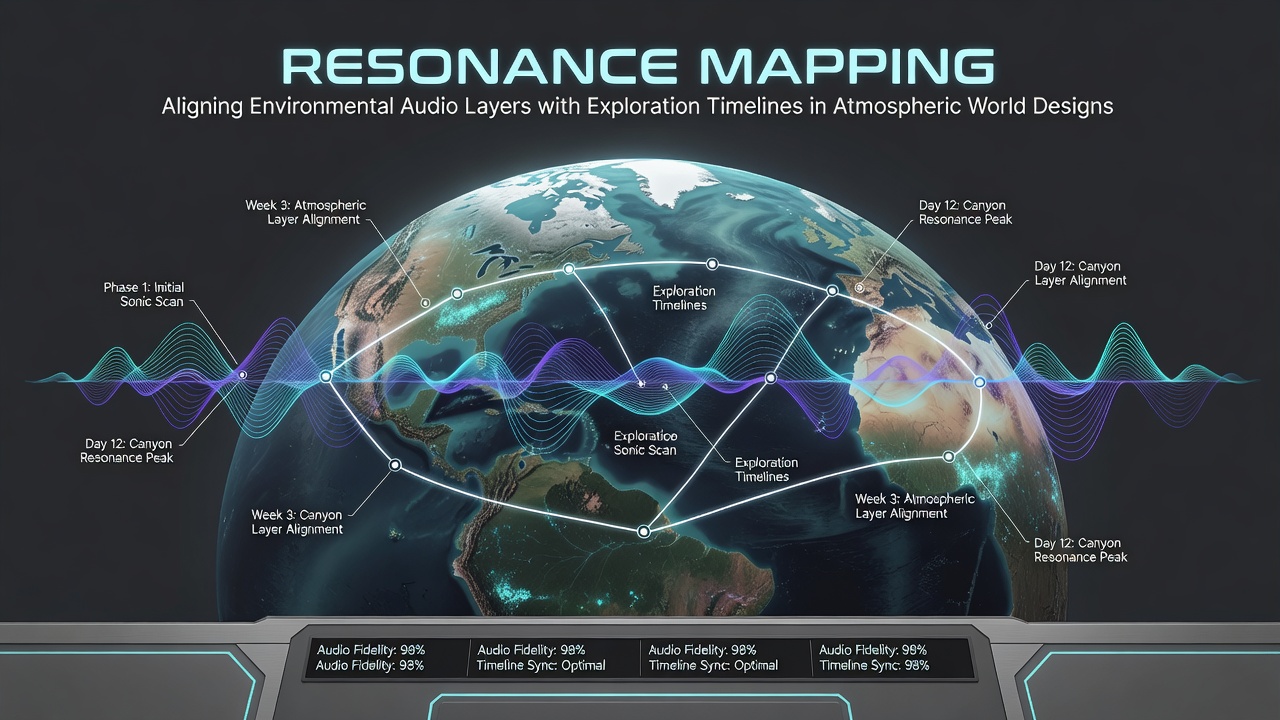
Resonance Mapping: Aligning Environmental Audio Layers with Exploration Timelines in Atmospheric World Designs
Resonance mapping involves synchronizing multiple environmental audio layers with player progression timelines in atmospheric world designs, where sound designers create dynamic systems that respond to exploration pacing and spatial triggers. Developers apply this approach in open-ended titles to maintain immersion while guiding player movement through subtle audio cues that evolve over time. Research indicates that such alignments help reduce audio repetition in extended play sessions, according to data compiled by the International Game Developers Association across multiple studio reports.
Core Principles of Resonance Mapping Systems
Design teams layer ambient sounds like wind patterns, distant echoes, and biome-specific textures, then map these elements to exploration timelines that track player position and duration spent in each zone. The process requires precise calibration of audio triggers so that resonance peaks coincide with key discovery moments, such as entering new areas or uncovering hidden paths. Engineers use timeline software to plot these alignments, ensuring that audio intensity builds gradually rather than resetting abruptly when players backtrack or revisit regions.
Studies from the University of Melbourne's digital media lab have shown that synchronized audio layers contribute to consistent player navigation patterns in procedurally influenced environments. Those who've implemented resonance mapping note that it integrates with existing sound propagation models, where distance-based attenuation combines with timeline-based volume shifts to create cohesive acoustic spaces.
Implementation Techniques in Atmospheric Worlds
Audio engineers start by defining exploration timelines based on average player movement speeds and area sizes, then assign resonance values to each environmental layer. For instance, a forest biome might feature base wind layers that intensify after 15 minutes of continuous exploration, while underground zones introduce dripping water echoes that align with vertical descent markers. This method avoids static loops by introducing phased variations that match the cumulative time spent traversing connected regions.
Tools commonly include middleware like FMOD or Wwise, configured with custom timeline nodes that link audio parameters to in-game clocks and positional data. Developers test these setups through iterative playthroughs, adjusting layer overlaps to prevent frequency clashes between environmental sounds and interactive elements. In July 2026, several studios reported updates to these middleware packages that added automated resonance detection features, allowing faster iteration during pre-production phases.
Case Examples from Recent Titles
One project applied resonance mapping to a vast desert landscape where sandstorm audio layers activated in sequence with player travel distance, creating a sense of building tension as timelines extended. Another title used similar techniques in underwater settings, aligning pressure-related hums with vertical exploration metrics to signal depth changes without relying solely on visual indicators. Observers note that these implementations draw from acoustic research conducted by European institutions studying real-world sound propagation in variable environments.
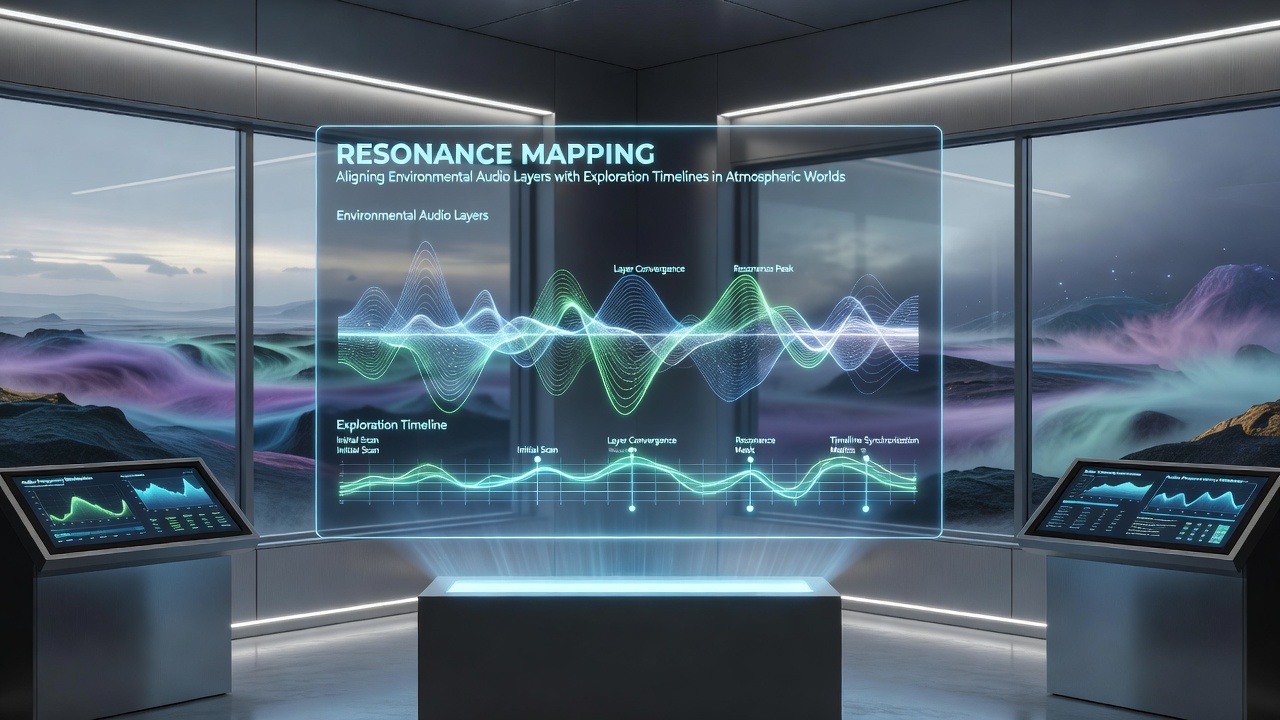
Data from industry surveys conducted by the Entertainment Software Association reveals that teams employing timeline-aligned audio report measurable improvements in session retention metrics. Engineers achieve this by cross-referencing player heatmaps with audio event logs, refining resonance points where exploration slows or accelerates.
Technical Challenges and Solutions
Memory constraints on console platforms often limit the number of simultaneous audio layers, prompting developers to employ adaptive streaming techniques that prioritize resonance-mapped elements based on current timeline position. Programmers integrate these systems with AI-driven path prediction, allowing audio adjustments before players reach mapped trigger zones. What's interesting is how collision data from terrain meshes sometimes informs audio layering decisions, ensuring that enclosed spaces receive appropriate resonance boosts without overloading processing resources.
Academic papers published by Canadian research groups highlight methods for optimizing these alignments through machine learning models that analyze playtest recordings. The models identify mismatches between intended exploration pacing and actual audio delivery, enabling targeted adjustments during development cycles.
Integration with Broader Design Frameworks
Resonance mapping extends beyond isolated audio work to influence level layout decisions, where designers adjust path lengths and discovery sequences to better match audio evolution curves. This creates feedback loops between environmental audio and world geometry that strengthen overall atmospheric cohesion. Teams coordinate across disciplines to embed timeline markers directly into level editors, allowing real-time preview of how audio layers will respond during typical exploration flows.
Conclusion
Resonance mapping continues to evolve as a specialized technique within atmospheric world design, supported by ongoing advancements in audio middleware and data analysis tools. Developers apply these methods across various genres to maintain auditory interest throughout extended exploration sequences, drawing on established principles from sound engineering and game systems research. As platforms advance, integration of resonance techniques with dynamic world generation promises further refinements in how environmental audio supports player timelines.