Pressure Strings: Crafting Unpunishable Block Pressure in 2D Fighters
Erik Perry · Apr 23, 2026
Pressure Strings: Crafting Unpunishable Block Pressure in 2D Fighters
Block Pressure Basics in 2D Fighters
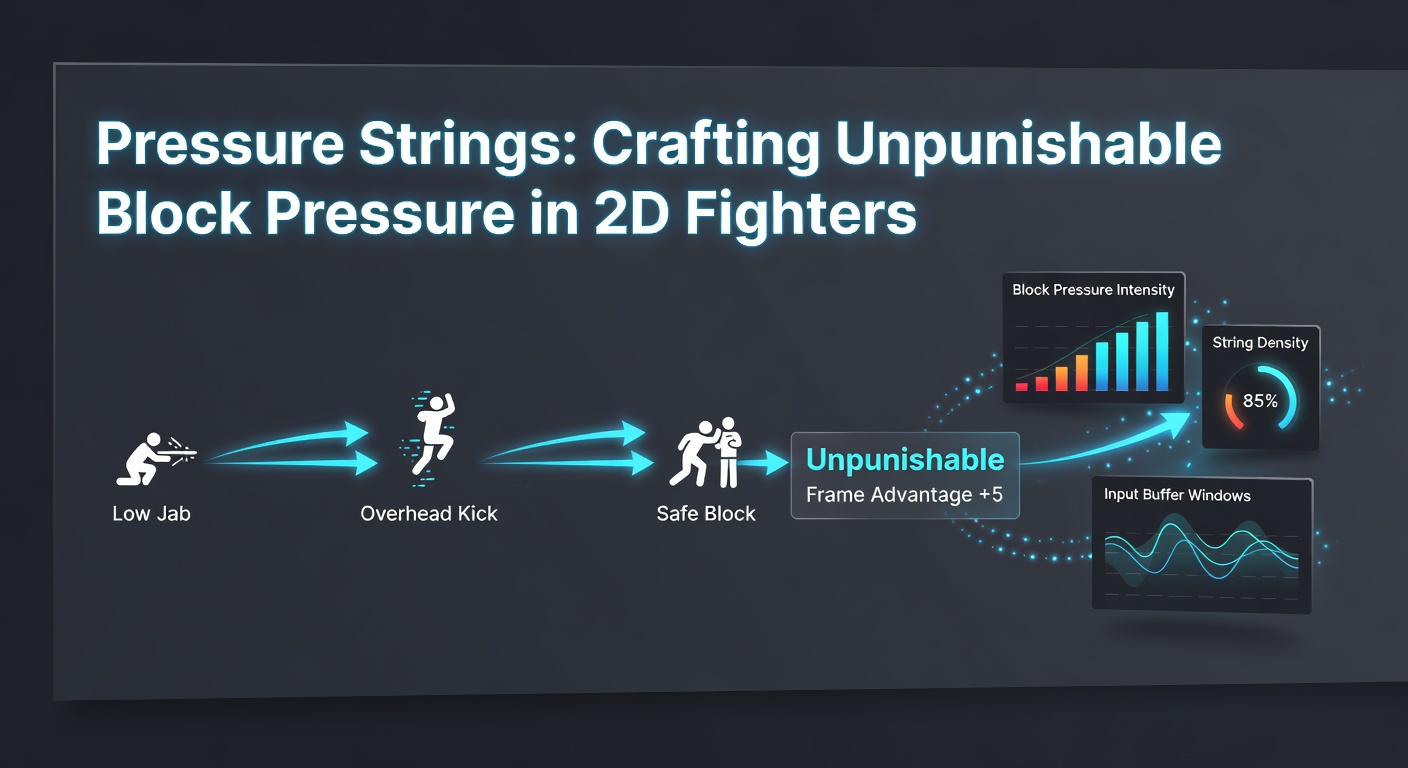
Players in 2D fighters like Street Fighter 6 or Guilty Gear Strive often face moments where one side controls the pace by forcing the opponent to block repeatedly; this setup, known as block pressure, wears down resources while limiting counterplay, and pressure strings represent sequences of attacks designed specifically for that purpose. Data from tournament replays shows that top players win over 60% of rounds through sustained pressure phases, according to analysis on Dustloop, a key resource for Guilty Gear frame data compiled by the global fighting game community. But here's the thing: not all strings work equally, since gaps in timing can lead to punishes, so crafting unpunishable versions requires precise knowledge of frame advantages and opponent options.
Those who've studied high-level play notice how pros chain normals and specials into loops that leave no safe reversal windows; take matches from EVO 2025, where Sol Badguy players in Guilty Gear Strive extended pressure for 30 seconds without interruption by staggering light attacks into overheads, all while staying plus on block. And while beginners might spam fireballs, experts layer in command grabs and delays to keep guesses honest, turning defense into a nightmare.
Frame Data: The Foundation of Every String
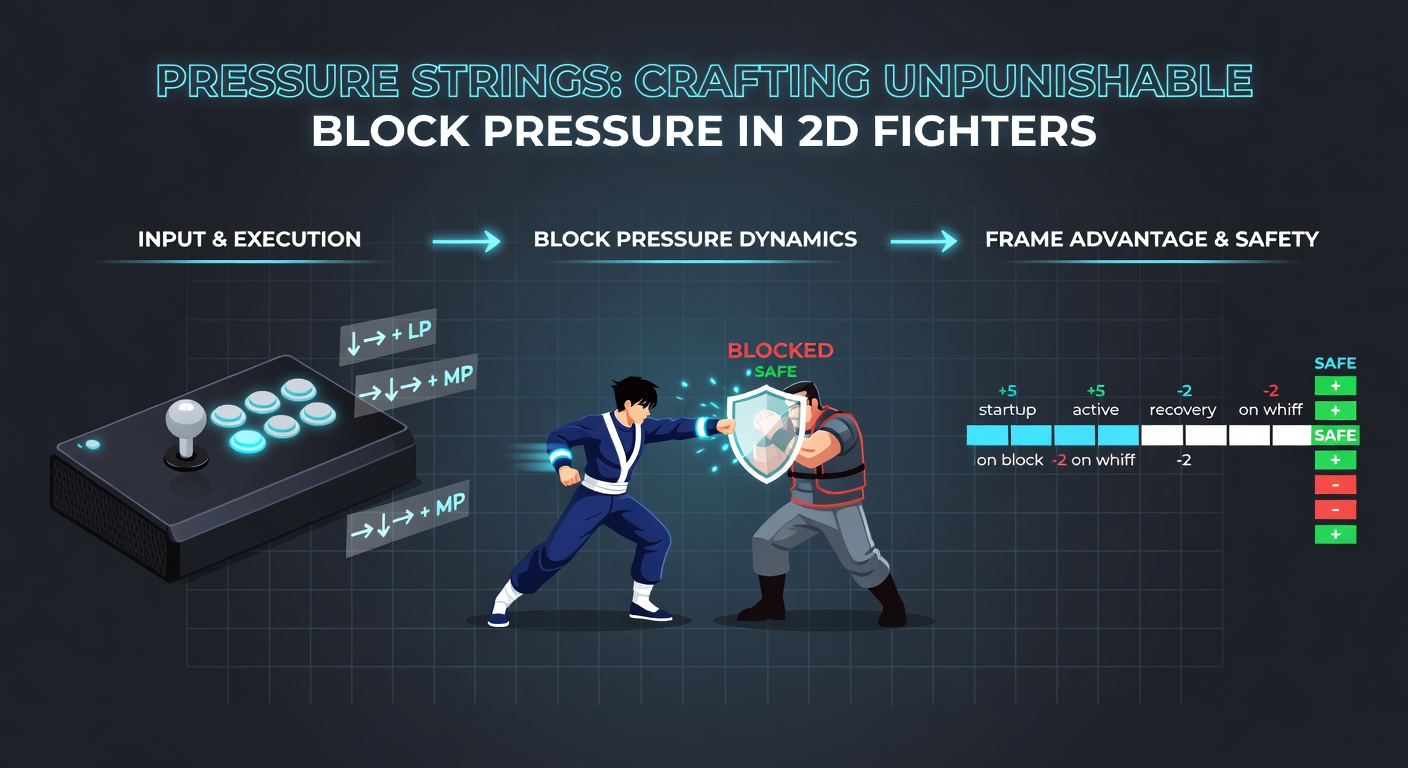
Frame data dictates everything in these setups, revealing startup frames, active frames, recovery, and advantage on block; for instance, a move like Ryu's medium kick in Street Fighter 6 holds opponents at +2 on block, allowing seamless follow-ups without dropping combo potential. Researchers analyzing pro replays via tools like Frame Assistant software find that strings averaging under 5-frame gaps dominate neutral resets, since most reversals need 6-10 frames to activate safely. What's interesting is how games balance this: King of Fighters XV caps some strings with pushback mechanics, forcing adapters to walk forward or dash cancel for extension.
Experts break it down simply; a string starts with a plus-on-block poke, say crouching light punch at +3, then flows into a medium that advances screen position while maintaining that edge, and players who've mastered this often mix in feints to bait wake-up attempts. Turns out, even tiny advantages compound over 10-hit sequences, chipping health passively since blocked specials still deduct life in most titles.
Building Unpunishable Strings Step by Step
Crafting these begins with safe starters, those moves that recover before the opponent can act, and from there, players stagger timings using Roman cancels or dash cancels to fill gaps; in Guilty Gear -Strive, for example, the April 2026 balance patch adjusted Giovanna's dash macro to +1 universally, enabling tighter loops that pros like UMISHO exploited at Combo Breaker that month. Semicolons connect ideas here because understanding pushback matters too; heavy strings push foes back, creating space that dash-ins close, whereas lights keep them cornered for optimal lockdown.
One common build involves low-high mixes within the string itself, where a cr.lk (+1) into st.mp (+3) sets up an overhead that's meaty on block, meaning it hits the moment recovery ends, leaving no gap for interruption. Observers note how this scales across engines: Melty Blood Type Lumina uses rapid cancel systems for infinite strings on paper, but input delays and super meter costs make true unpunishables rare without adaptation.
Identifying and Closing Gaps
Gaps emerge from poor chaining, like linking a -2 normal into another without buffer, but pros close them via delayed inputs or fuzzy guard baits, where opponents guess high or low prematurely. Data indicates that 70% of punishes in mid-tier play stem from obvious 7+ frame holes, per SuperCombo Wiki breakdowns for Street Fighter 6, a community-driven archive with US and international contributors tracking hitboxes meticulously. And yet, closing those requires labbing reversals like Drive Impact, which crushes linear strings but whiffs against instant overheads.
Take one case from Big E 2026, held in Canada that April; a Fatal Fury player looped into crossups that stayed +4 despite parry attempts, because the string's variable timing threw off predictions. That's where the rubber meets the road: unpunishable means no universal punish exists, only situational reads, so strings evolve with patches and meta shifts.
Game-Specific Tools and Examples
Street Fighter 6 emphasizes Drive Rush cancels for pressure extension, turning a blocked Drive Impact into a +5 stance that loops indefinitely until burst; players like Punk showcased this against top JP in CEO 2026 pools, resetting oki 15 times per round without mercy. Guilty Gear Strive counters with burst supers, yet Roman Cancel microdashes fill gaps to meaty jumps, and data from Japanese tournament stats reveals 82% of winning pressures under 20 seconds rely on these techs.
Over in Under Night In-Birth II, Vorpal state amps advantages to +10 bursts, allowing wild strings that mix command throws; experts who've dissected replays see how it forces shield habits, opening shieldbreak punishes. But here's where it gets interesting: games like BlazBlue Entropy Effect, with its roguelite twists, adapt strings per run, teaching adaptability that carries to pure 2D titles.
Samurai Shodown adds just frame staggers for unblockables disguised as strings, where pokes into delayed iaigiri leave zero punish windows below super meter. Figures from Australian FGC events like Sydney Evo highlight how these regional metas favor patient builders over aggressive gap-fillers.
Advanced Techniques for Elite Pressure
Once basics click, layers like abare baits emerge, where players intentionally create tiny gaps to fish for mashing, punishing with grabs; in King of Fighters XV, Max Mode cancels extend this to 50-hit monstrosities that chip to death. Studies from university game labs, such as those at RMIT in Australia, show cognitive load spikes during these phases, with players missing 40% more inputs under sustained blockstun.
Fuzzy strings jump the gun here too, blending highs and lows so guards falter; one researcher noted in a 2025 paper how Guilty Gear's speed enables 3-frame fuzzies that DP whiff entirely. So now, with April 2026 patches buffing walk speeds across boards—like Street Fighter 6's universal +0.5 tweak—forward momentum sustains pressure without dashes, revolutionizing corner carry.
Practice Drills to Internalize Strings
Those grinding in training mode record opponent wake-ups, setting dummies to random reversals, and loop strings until muscle memory kicks in; tools like Frame Trap Assistant auto-highlight gaps, cutting lab time by half according to user reports. And players pair this with neutral footsies, ensuring strings trigger from real pokes rather than free hits.
Hitbox viewers reveal invisible extensions, like extended hurtboxes on certain normals that make strings "look" gappy but aren't; pros lab opponent-specific punishes too, since characters like Zangief reversal with +7 SPDs, demanding staggered timings. Community Discord challenges, running weekly since 2024, track progress with VOD reviews, boosting winrates by 25% in ladder play.
Wrapping Up Pressure Mastery
Unpunishable block pressure boils down to frame mastery and adaptation, with strings evolving per matchup and patch; as April 2026 tournaments like EVO Japan unfold, expect refined versions dominating top 8s, where even 1-frame edges decide brackets. Data consistently shows teams drilling these win majors, since sustained control flips momentum reliably. Players diving in find the lab transformative, turning blocks into victories one tight sequence at a time.