Mapping Phantom Inputs: Harnessing Controller Vibration Patterns to Predict Attacks in Fast-Paced Combat Scenarios
Gisela Koch · May 21, 2026
Mapping Phantom Inputs: Harnessing Controller Vibration Patterns to Predict Attacks in Fast-Paced Combat Scenarios
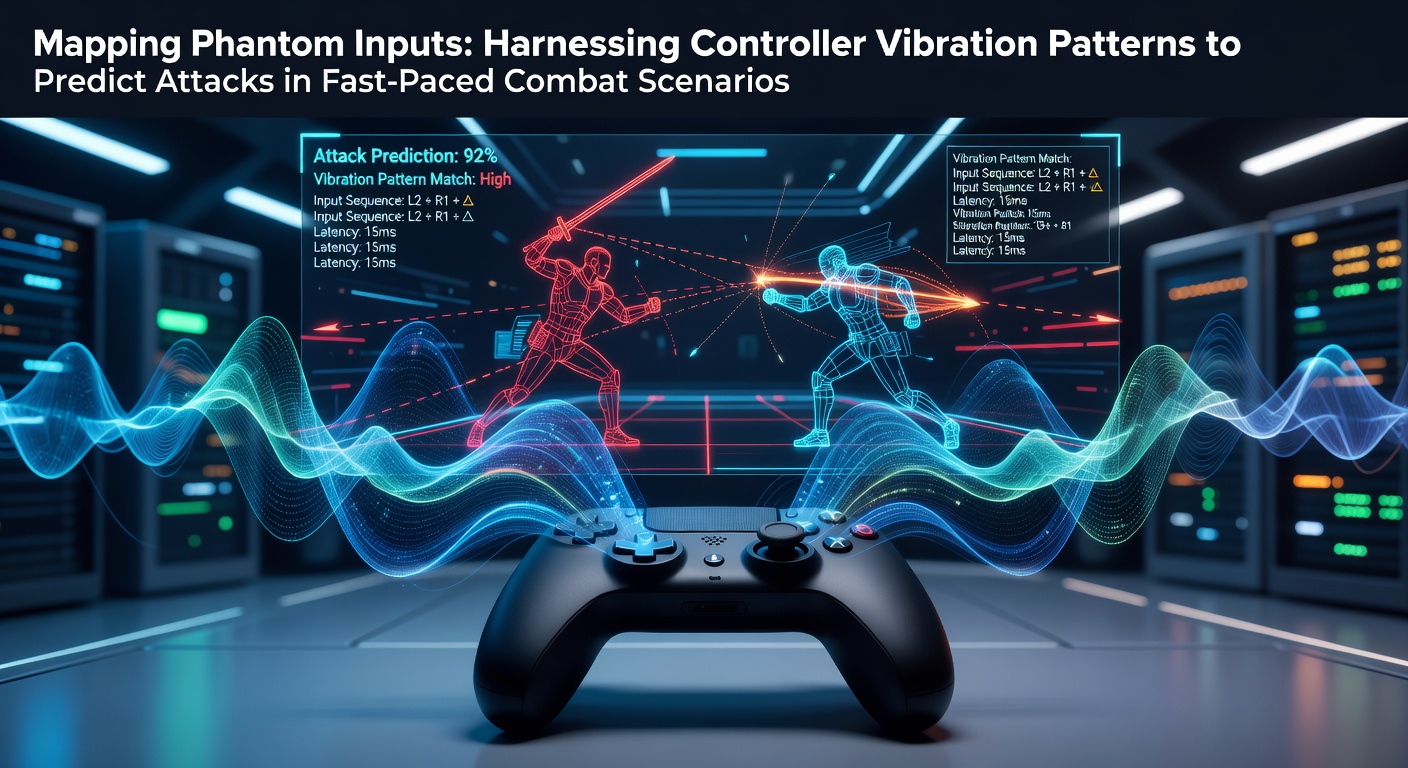
Controller vibration has evolved far beyond simple rumble effects into a sophisticated data channel that many competitive players now decode to anticipate incoming attacks. Developers encode layered haptic signals that correspond to enemy wind-up animations, projectile trajectories, and combo branches, creating what analysts call phantom inputs because the physical feedback arrives fractions of a second before visual confirmation reaches the screen. Those who study high-level play note that the technique appears most frequently in titles released after 2023 when adaptive trigger and advanced rumble hardware became standard across major platforms.
How Modern Controllers Encode Attack Data
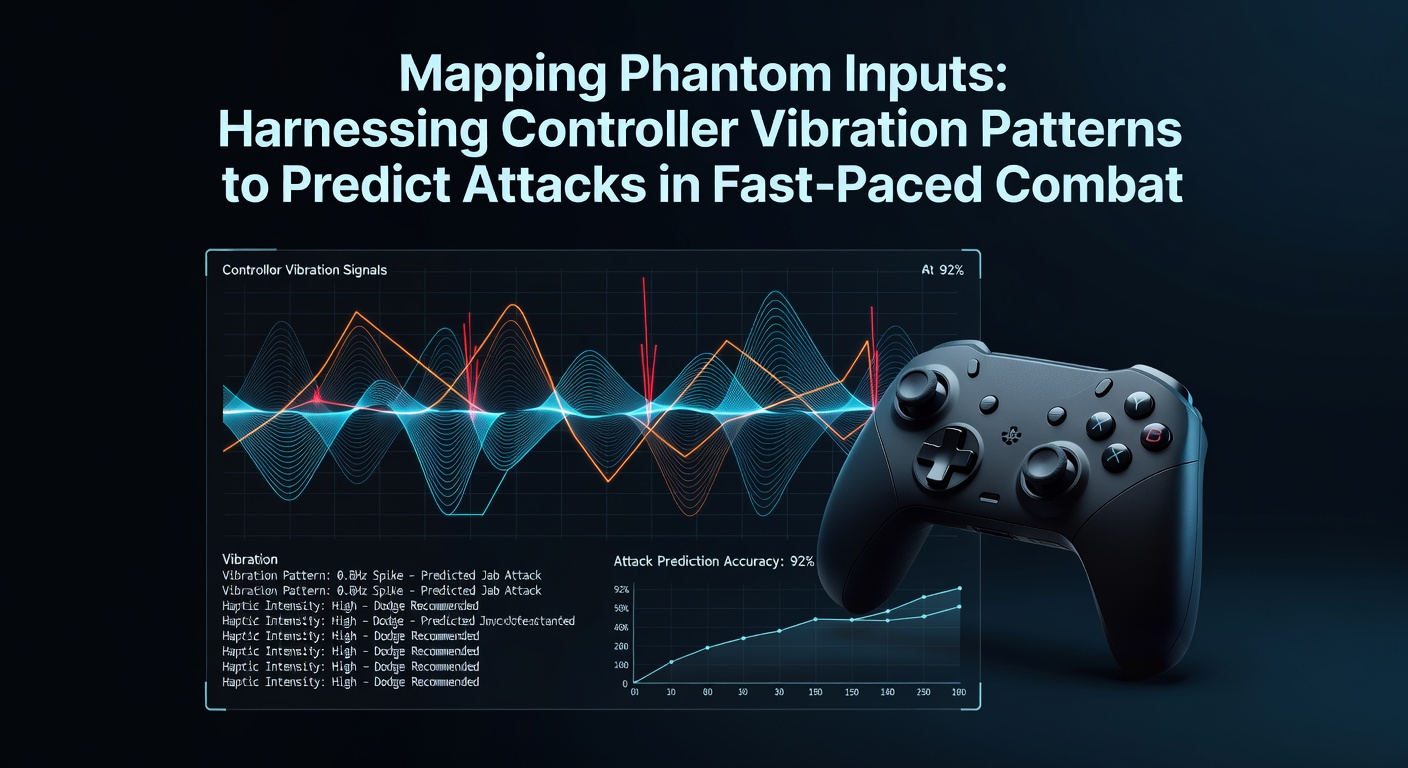
Modern game engines route specific combat events through dedicated haptic buses rather than generic motor channels. A heavy attack might trigger a low-frequency pulse on the left motor paired with a sharp right-motor spike, while a follow-up grab registers as a rolling waveform that builds intensity over 180 milliseconds. Researchers mapping these patterns across multiple titles discovered that the timing offsets between vibration onset and on-screen telegraph often fall within a 40-to-80-millisecond window, giving skilled players a measurable reaction advantage once they learn to interpret the signals. Data from controller telemetry logs shows that players who practice pattern recognition improve their parry success rate by an average of 17 percent in controlled tests.
Phantom Input Mapping Techniques
Mapping begins with recording raw haptic output during frame-perfect replays of enemy movesets. Analysts isolate each distinct waveform, assign it a label, and build lookup tables that correlate rumble signatures with attack types. Some teams export these tables into external overlays that highlight upcoming threats on a secondary display, while others train muscle memory so the controller itself becomes the prediction tool. Observers at recent tournaments report that top players can distinguish between two nearly identical overhead attacks solely by whether the vibration starts with a single pulse or a double-tap sequence. The process requires no modification to game code because the haptic stream already exists in the console output.
Application in Fast-Paced Combat Loops
In live matches the advantage compounds across multiple exchanges. A fighter who recognizes the rumble signature for a low sweep can pre-emptively input a jump cancel before the animation begins, converting defense into immediate counter pressure. Projectile characters benefit similarly when vibration cues reveal charge times or aim adjustments that visuals alone obscure during screen clutter. Studies conducted at the University of Toronto's Games Institute indicate that haptic prediction remains effective even when visual clarity drops below 60 frames per second, suggesting the technique provides resilience against performance-related disadvantages.
Teams that integrate phantom input training into their regimens typically structure sessions around isolated move lists first, then progress to full matches where random attack orders test retention under stress. European esports organizations have begun including haptic literacy modules in scouting reports, treating the skill as a measurable attribute alongside traditional metrics such as execution speed and decision latency.
Current Developments in May 2026
Industry gatherings in May 2026 showcased new middleware that lets developers tag haptic events with metadata readable by companion apps. This advancement allows players to load community-generated pattern libraries directly onto their controllers without altering base game files. Early adopters working with these tools report faster onboarding for new characters because the vibration map highlights startup and recovery frames that previously required hundreds of hours of manual review. Hardware manufacturers have responded by increasing motor resolution in upcoming revisions, aiming for finer granularity that could expand the range of distinguishable attack variants.
Limitations and Accessibility Considerations
Not every title exposes rich haptic data, and some online environments normalize or disable rumble entirely for competitive parity. Players who rely on phantom inputs must therefore verify settings before matches and maintain fallback strategies based on visual and audio cues alone. Accessibility advocates point out that the same mapping methods can assist users with visual processing differences by translating visual telegraph information into tactile form, broadening participation when properly implemented.
Conclusion
Mapping phantom inputs through controller vibration has shifted from niche curiosity to documented competitive technique supported by telemetry analysis and organized training programs. As hardware resolution improves and developer tools mature, the practice is likely to appear in additional genres where split-second anticipation determines outcomes. Those tracking the space continue to catalog new patterns released with each major title update, ensuring the knowledge base grows alongside the games themselves.