Charting Peripheral Latency Spikes to Refine Input Timing Windows in Hybrid Fighting Game Ports
Gisela Koch · Aug 20, 2026
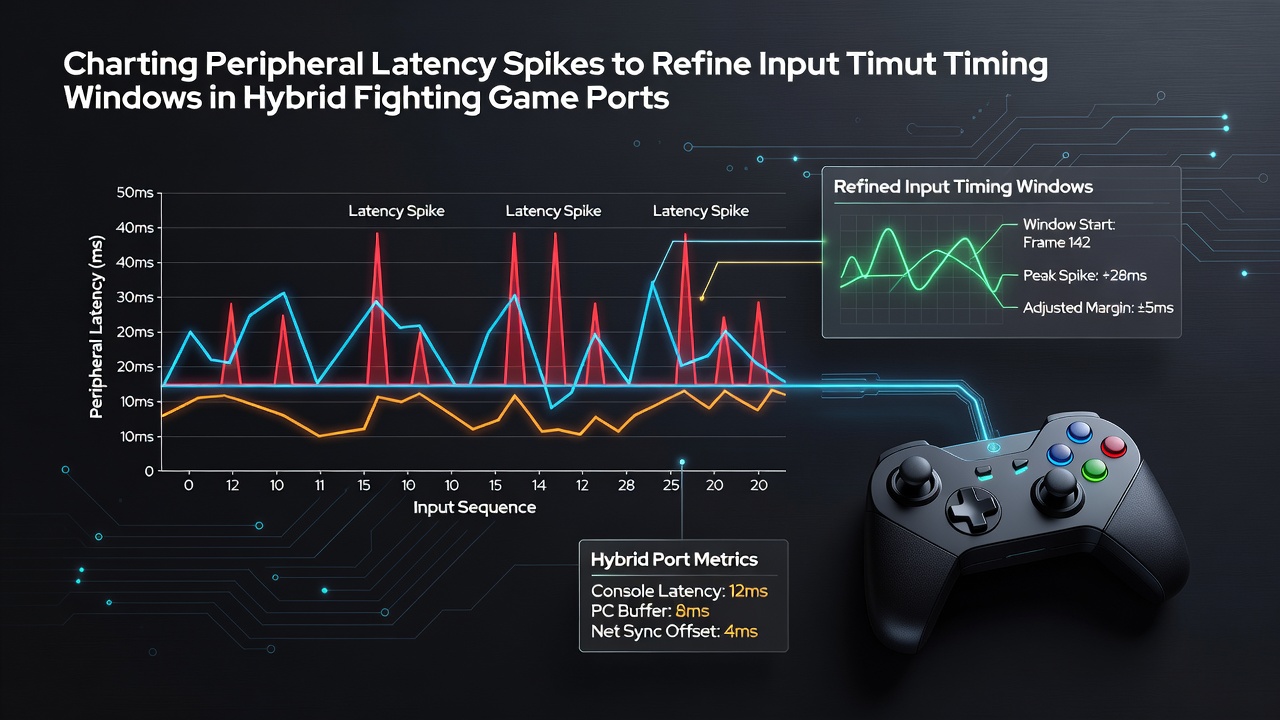
Charting Peripheral Latency Spikes to Refine Input Timing Windows in Hybrid Fighting Game Ports
Hybrid fighting game ports combine console hardware constraints with PC flexibility, and developers track peripheral latency spikes to adjust input timing windows accordingly. These spikes arise when controllers or keyboards experience brief delays during signal transmission, which disrupts the precise frame windows required for moves like combos and counters in titles released across multiple platforms.
Measuring Latency Patterns Across Devices
Researchers employ oscilloscopes and specialized software to log response times from USB devices, Bluetooth adapters, and wired connections during gameplay sessions. Data collected from these tests reveals consistent patterns where wireless peripherals show spikes of 4 to 12 milliseconds under load, while wired options remain steadier but still vary based on polling rates set by manufacturers. Observers note that hybrid ports must account for these differences because players switch between devices without consistent hardware profiles.
Studies conducted through 2025 and into August 2026 demonstrate how input queue depths interact with these spikes, leading developers to map variations in real time. Teams at academic institutions in Japan and Canada have published findings on frame pacing that tie directly to controller firmware updates, showing that unaddressed delays shift effective timing windows by up to two frames in competitive scenarios.
Refining Timing Windows Through Data Analysis
Engineers process latency logs to create dynamic adjustment algorithms that expand or contract input buffers depending on detected spikes. This approach relies on correlating environmental factors such as USB hub usage or background system processes with recorded delay events. When spikes exceed baseline thresholds, the system modifies the acceptance window for commands to maintain fairness across player setups.
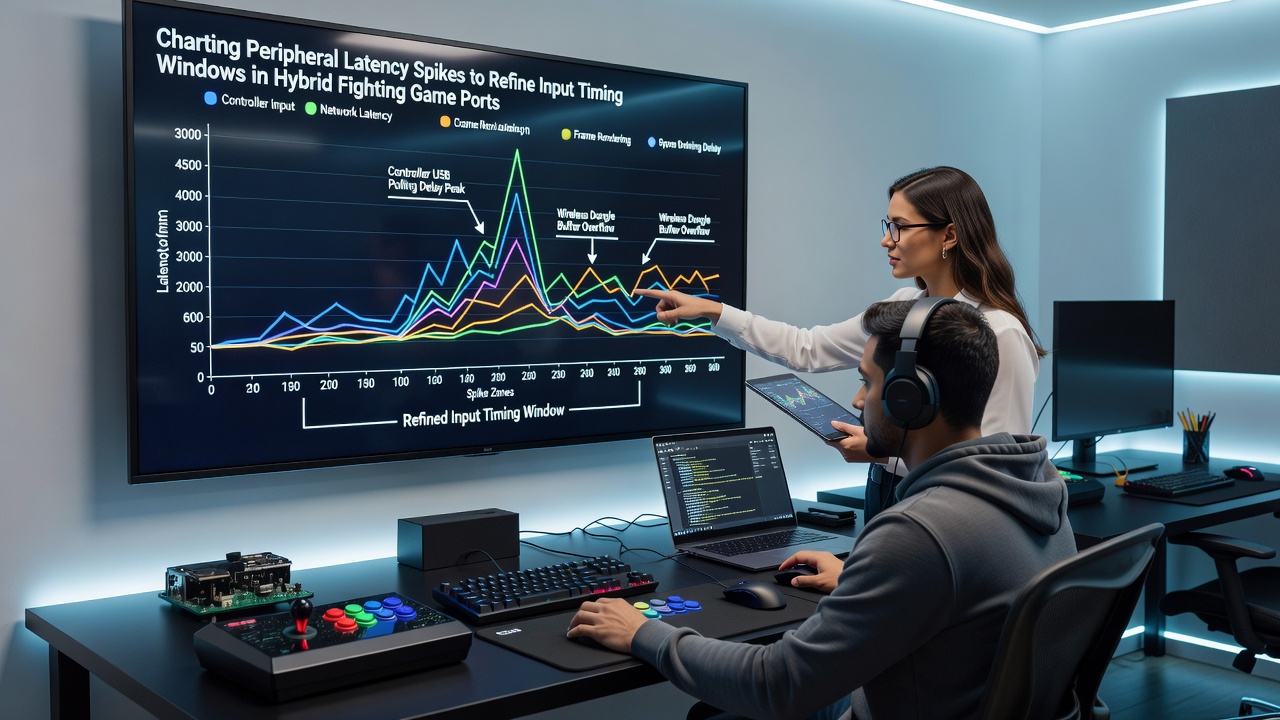
One project at a European research facility examined ports of established fighting series and found that applying these charts reduced desync incidents by measurable margins in online matches. The process involves logging thousands of input events per session and feeding results into calibration tools that update timing parameters without requiring full game restarts.
Implementation in Cross-Platform Environments
Hybrid ports face additional challenges when mobile constraint mapping merges with console input layers, creating layered signal paths prone to intermittent interference. Developers address this by testing against industry benchmarks from organizations like the Entertainment Software Association, which track device compatibility across regions. In practice, calibration routines scan for patterns during initial player setup and apply preloaded profiles based on prior spike data.
August 2026 saw several patches for major fighting game releases that incorporated refined windows derived from aggregated peripheral logs, and reports from Australian trade groups highlighted improved match stability in tournaments using mixed hardware. These updates demonstrate how charting extends beyond single-device testing to encompass full ecosystem variations.
Case Examples from Recent Ports
Take one developer team that analyzed a popular series ported from arcade origins to home consoles and PCs. Their logs showed recurring spikes tied to Bluetooth reconnection events, prompting adjustments that narrowed false negative inputs during block strings. Another instance involved university collaborators in the United States who cross-referenced vibration feedback data with latency charts to predict and compensate for timing shifts in fast exchanges.
These efforts rely on active monitoring rather than static assumptions, and results indicate consistent benefits when spikes are plotted against specific game mechanics like parry frames or super meter activation. External validation comes through partnerships with research bodies that supply standardized testing protocols for ongoing refinement.
Conclusion
Charting peripheral latency spikes provides a factual basis for refining input timing windows in hybrid fighting game ports, supported by ongoing data collection and cross-regional studies. Continued application of these methods aligns hardware variations with gameplay requirements as new devices and platforms emerge.